One would assume that being based in Leicester – the most plural city in the UK, would provide St Philip’s Centre (SPC) with the ‘cheat sheet’ for how to live well together. Whilst that remains a journey not a destination, our interactive programmes of religious and worldviews education are increasingly requested geographically with schools engaged from the East Midlands, West Midlands, South Yorkshire and the East of England.
Why Interfaith education matters more than ever
Why is this the case? Collectively whilst we operate in different contexts, we are all connected by mutual desires to upskill our children so that they can confidently and glowingly contribute as active citizens in any part of the world let alone the UK. In a febrile national and global atmosphere where perspective and fair play has been recalibrated to create imbalance and distrust, we encourage children, carers and teachers to engage with a range of different views and opinions about all manner of topical subjects. Our team of community faith practitioners who are integral to our delivery, provide us with originality, authenticity and a human face. Our work intends to build a resilient future through education and openness by allowing children and young people to express themselves through adventure and the promotion of kindness.
Creating safe space for big questions
We go beyond the textbook and make the subject FUN! We do not claim representative status but instead our team amplify lived religion and belief under a democratic apparatus. We encourage free and frank dialogue where disagreement is accepted as part of life within a framework of peaceful coexistence. Children, carers and teachers often ask questions about gender rights, religious obligations versus the rule of law and exclusivism in belief. We highlight the presence of different traditions or intra-faith. Looking over the garden fence to our neighbours may be pain-free but when one needs to turn in and accept divergent beliefs when under the same label, it can be harder to digest.
Dialogue in action: bringing lived religion into the classroom
From foundation to lower secondary, our offer is age appropriate. Our programmes include assemblies, workshops, visits to places of worship, tours of cultural sites such as our famous ‘Golden Mile’ and our flagship ‘Religion & Belief Roadshow’ which brings up to ten different religions and beliefs into a school as part of a fun-packed festival using stalls, clothing, music, artefacts and food – the currency of interfaith! Over the years, this pioneering endeavour has engaged thousands of children across the nation.
One of the most pressing challenges facing school leaders is how to prepare children and young people for life. It is commonly assumed that rural areas are isolated and removed from the wealth of plurality but the same can be said of some towns and cities. Day to day or meaningful engagement with difference is rare and forces pupils to play ‘catch-up’ later on in life at college, university or work – by then it is often too late. The demands of school life means that it is often only possible to provide one-off encounters and so the sustainability of a child’s journey must be a collective responsibility with friends, families and communities all playing their role outside of the classroom.
Building blocks for a resilient future
At SPC, our programme recipe is appetising and colourful – there is something for almost everyone! We have up to ten religions and beliefs under our umbrella which connects classrooms with communities. High quality religious and worldviews education must be relevant and applicable to today’s world. Schools operate on the frontline and we very much see our role as being one where we help them, to help themselves. We energise and equip schools to connect meaningfully with their children and families in this area of work. The building blocks of responsible citizenship and community resiliency cannot be left to chance. Our collaborative efforts with schools have increased pupil and teacher confidence and knowledge.
About
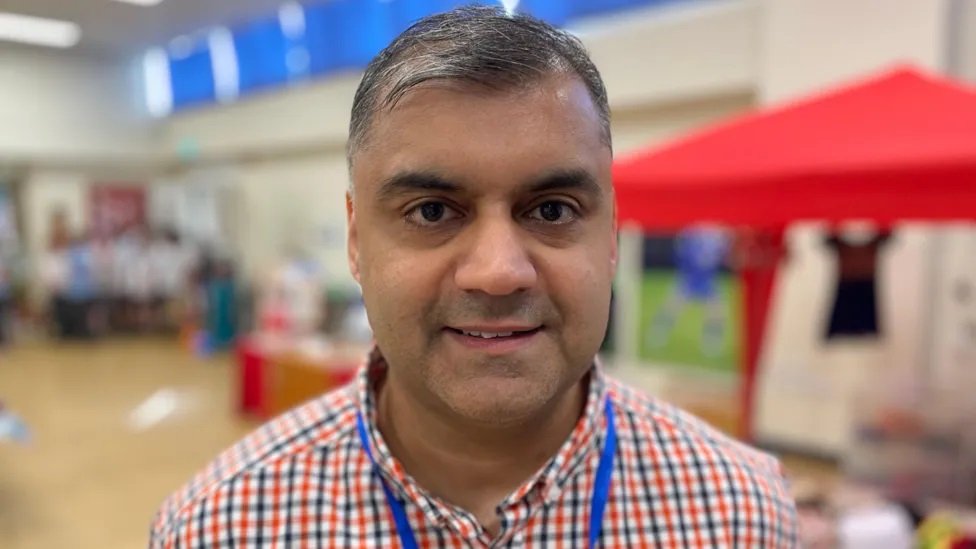
Riaz Ravat is Deputy Director of St Philip's Centre in Leicester where he leads on training, education and engagement. He is a Trustee of the Woolf Institute in Cambridge and Secretary General of Baraza - an international NGO dedicated to peace-making. Riaz has completed postgraduate degrees in Inter-Religious Relations and Faith-Based Leadership.