The Vernacular
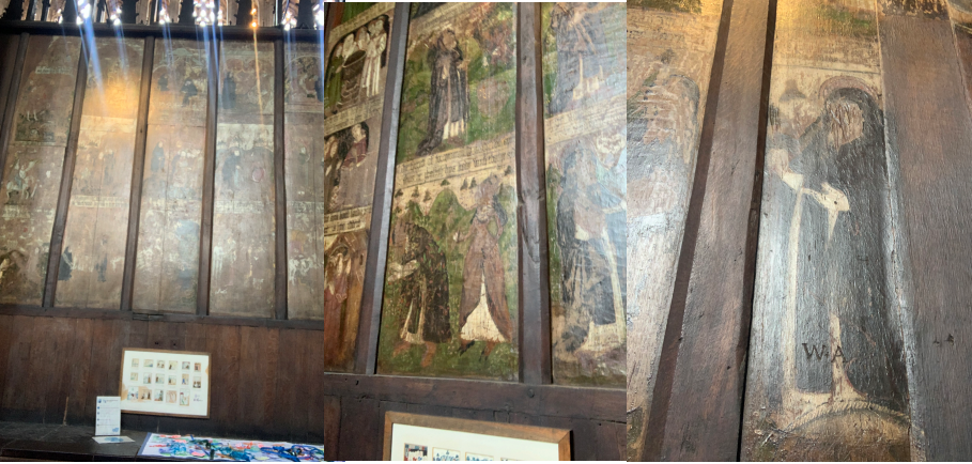
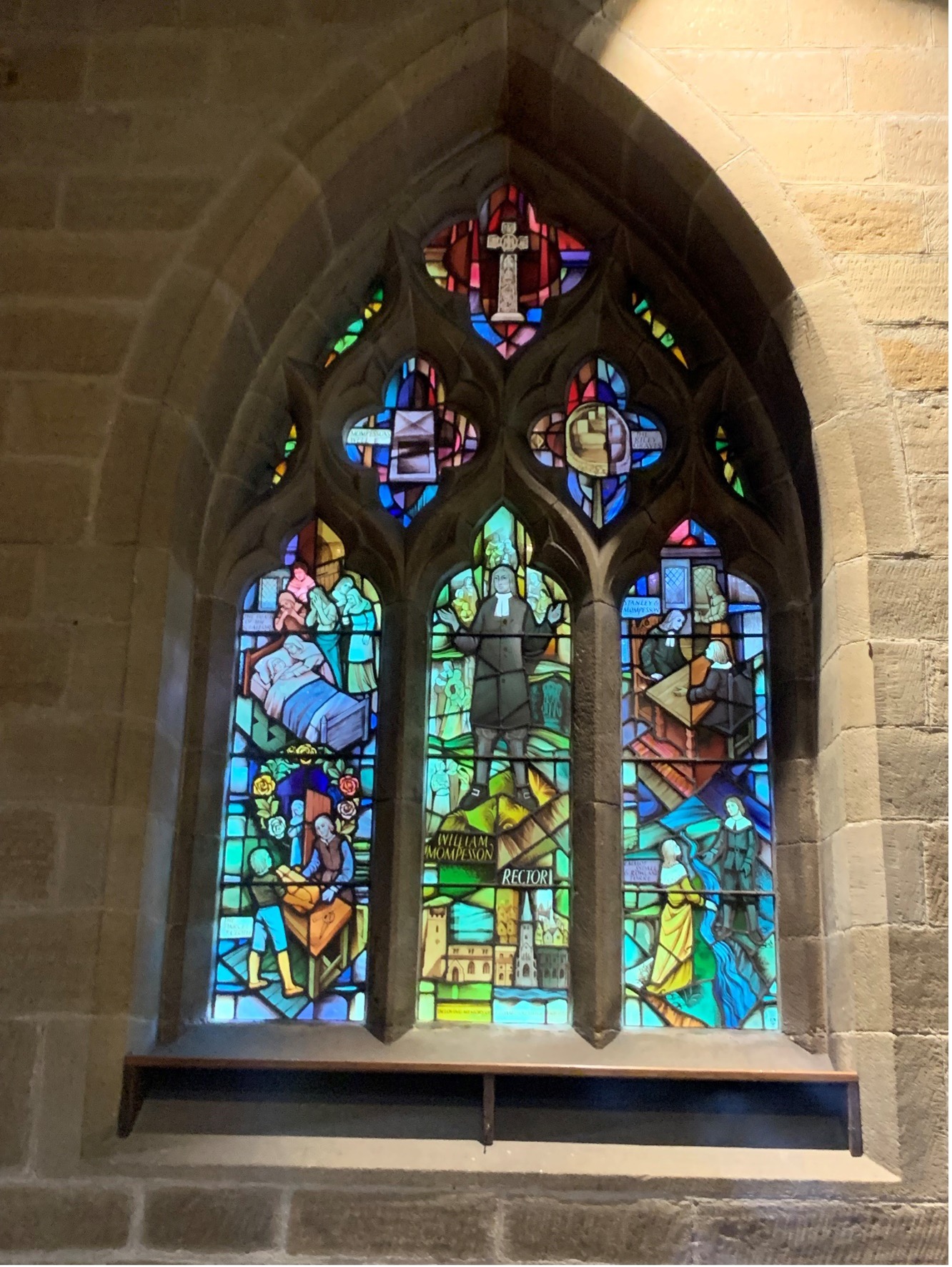
Over the centuries, those who had the luck of being educated made efforts to bring their theological learning to the benefits of those less fortunate. In Europe, Christian theological understanding could be complicated and abstract and also expressed in Hebrew, Latin and Greek, providing a further barrier to understanding for those who could not read or write. Over the centuries ways developed to express Christian theology in the ‘vernacular’, the language spoken by ordinary people in a region. Bible stories and the lives of the saints were retold in local languages ordinary people could hear.
This was not always welcomed by those in authority. In 1382, John Wycliffe translated the Bible from Latin into English, an act that earned him posthumous excommunication; his body exhumed and burnt. In the 1530s, Martin Luther translated the Bible into German, causing one of the great rifts of the Reformation. However by 1611, the King James version in English was made widely available, suggesting a melting away of objections to accessing Christian theology in the vernacular in Protestant regions.
Making Christian teachings more accessible inevitably led to reductionism. Ordinary people worked long, hard hours. As well as illiteracy, they did not have the time to engage in abstract theological meditations. Yet in a religion like Christianity with official doctrine and heresy, people must know what they believed. The church responded. The Heidelberg Catechism, 1563, was composed in Heidelberg, Germany, under the guidance of many theologians. The catechism was designed as a teaching tool, divided into fifty-two sections known as ‘Lord’s Days’, each one of which could form part of a Sunday service. Ordinary people were given weekly access to essential dimensions of Christian theology and ethics. A sixteenth century ‘Alpha Course’ perhaps?
It wasn’t just Christianity that developed systems for distributing information with hard-working, uneducated people. On converting to Buddhism, The Indian king Ashoka (reigned from 268- 232 BCE) erected a series of 50- foot pillars in the kingdom to spread Buddhist teaching. The pillars combined teachings of Buddhist compassion with the merits of King Ashoka. Erected at places of pilgrimage, such as the Buddha’s Enlightenment and first sermon, they spread across northern India, to spread the Buddhist religion to the ordinary people of Ashoka’s lands.
Guru Nanak also ensured ordinary people could access teaching and holy scriptures for themselves. The Gurmukhi script (meaning: from the mouth of the Guru) is used to write Sikh scriptures. It is the script of the Adi Granth (literally translated as ‘the first book’). The vision for Gurmukhi was a script that could be learned easily and was in the common tongue of the area.
It seems that in order to thrive and spread, religions needed to put their theology and ethics into the eyes, ears and hands of the lay people. Over time, literature, poetry, stories and art emerge which meet this aim.