This blog offers some practice focussed steps building from Khadija’s reflective thought piece on Muslim identities.
If this is the challenge, what does it mean for the way we teach Religious Education today?
For Part 1, follow the link:
When learning connects
Through my own classroom experience, I have seen how quickly pupils can engage when learning feels relevant to their lives and communities. In diverse urban settings such as London, many pupils bring rich cultural and religious knowledge to the classroom. However, when RE is taught through simplified representations that feel disconnected from pupils’ realities, this knowledge is rarely drawn upon or developed. As a result, learning can feel superficial and is frequently forgotten.
Why representation matters
This has implications for all pupils. Some pupils may struggle to see themselves in the curriculum, while others may develop simplified or stereotypical understandings. Both outcomes limit the subject’s potential. On the other hand, when teachers create space for dialogue, multiple perspectives and lived experience, pupils begin to ask deeper questions. They move from asking “What do Muslims do?” to “Why do people believe different things, and how does this shape their lives?”
The risks of getting it wrong
The consequences of getting this wrong are significant. Pupils may develop stereotypes that remain unchallenged. Muslim pupils may feel invisible or misrepresented within a subject that aims to promote understanding. Most importantly, RE risks losing credibility when the realities pupils encounter in their communities are absent from the curriculum they study in school.
Questions for reflection
As RE teachers and curriculum leaders, we need to be willing to ask difficult questions about the stories we tell and the voices we privilege.
- Are our resources reflecting the diversity of lived religion?
- Are pupils encountering authentic Muslim voices?
- Are we presenting Islam as a global, diverse and dynamic tradition, or reducing it to a collection of facts and practices?
A shared responsibility
This does not mean abandoning knowledge-rich curricula. Rather, it means ensuring that knowledge is accurate, representative and meaningful. It means moving beyond asking pupils to simply learn about religions and instead supporting them to engage with the complexity of how beliefs, identities and worldviews are lived and experienced.
The lesson I remember most from my own schooling is not the one that taught me about Islam. It is the one that taught me whose voices were valued and whose were not.
As a Moroccan Muslim RE teacher, I want Religious Education to be a subject where no pupil feels they must remain silent when their identity is being discussed. A subject where diversity within traditions is explored rather than overlooked. A subject where pupils encounter religions and worldviews in all their richness and complexity.
If Religious Education is truly to promote understanding, then every pupil must be able to see both themselves and others represented with accuracy, dignity and authenticity.
About
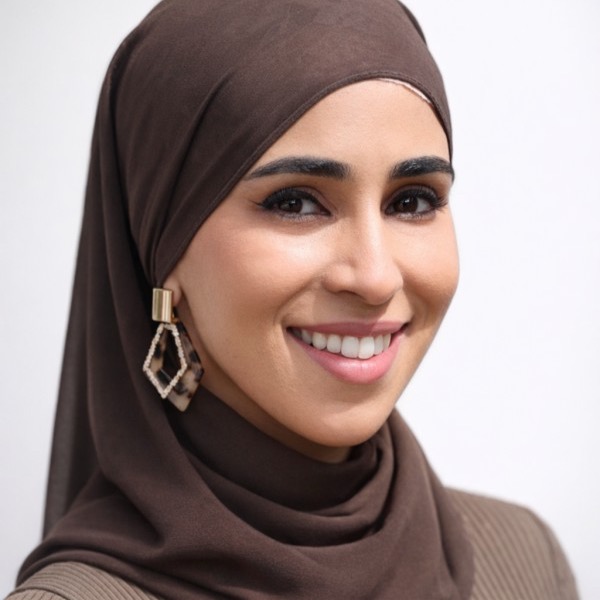
Khadija Mahir is the Religious Education Lead at Wessex Gardens Primary School in London. She is passionate about curriculum design, worldviews and creating engaging, ambitious Religious Education that enables all pupils to think deeply about religion and belief. Khadija is a member of Barnet SACRE and the Ann Taves writing team for the Barnet Agreed Syllabus. She has just started Year 2 of the Leadership Scholarship Programme.