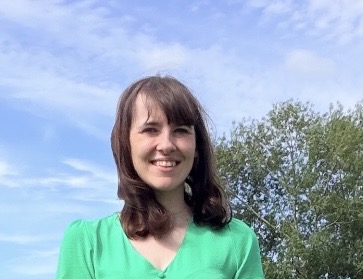
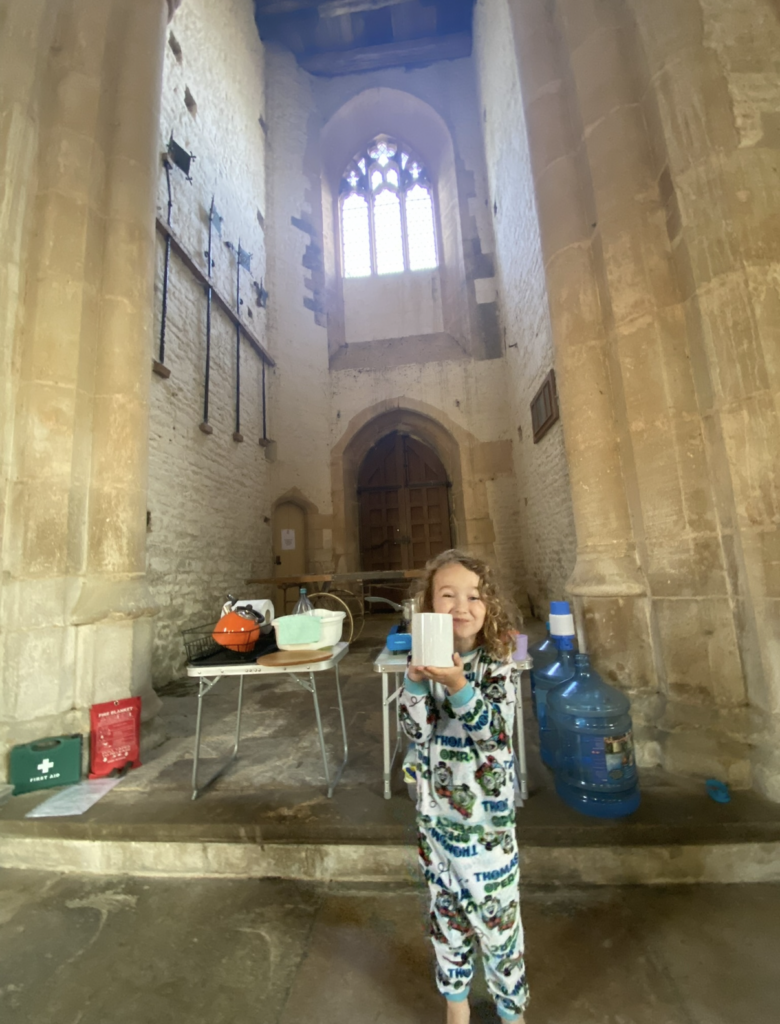
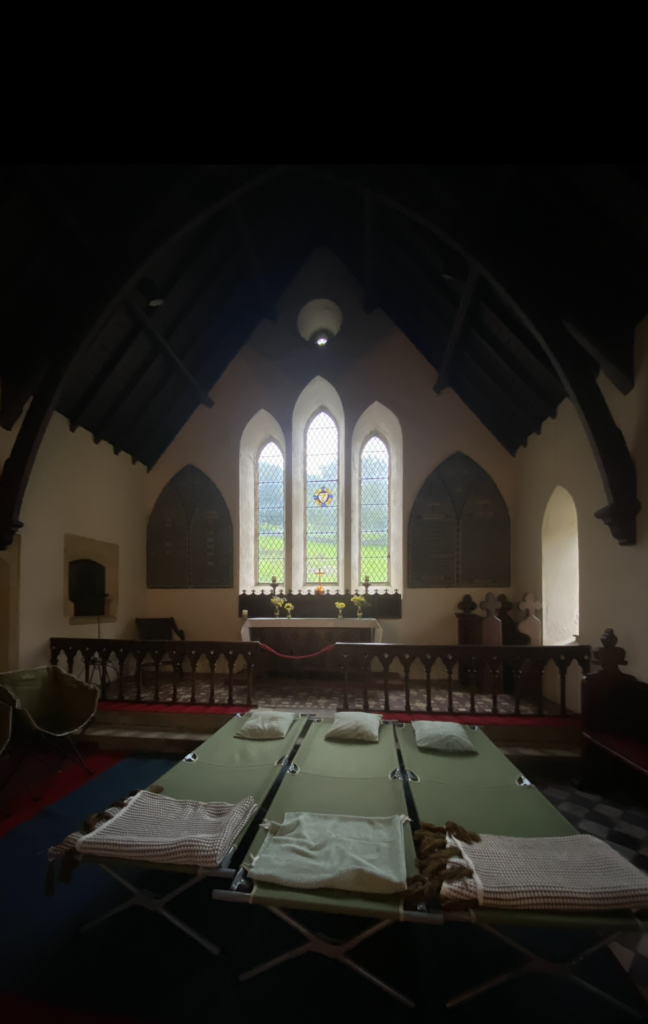
Last summer my main goal was to share my love of everything RE, history, and camping with my five-year-old little boy Percy. How else would I do this but book a camping trip with the Churches Conservation Trust (CCT)?! This was the beginning of our first ‘Champing’, camping in a church, adventure and the beginning of an idea…hopefully to blossom into something helpful for the RE community and our young people.
Inspiration
Browsing the visitor’s book, I read the comments left by other intrepid ‘Champers.’ It struck me that amongst the many comments about idyllic locations, comfortable camping beds, and beautiful walks, there were also many shared thoughts leaning more towards the spiritual. This didn’t surprise me but the more I reflected on it, the more intrigued I became. Not only were these historic churches (still consecrated with occasional services) being repurposed and perhaps almost marketed to a new (or existing) audience of tourists, but I wondered;
- To what extent they were still offering visitors a space to dwell or briefly reflect upon spirituality and faith?
- To what extent and how are these ‘Champing’ sites, or non-champing heritage sites revealing continuity in faith throughout time and what could they reveal about expressions of religious and non-religious worldviews in Britain today?
Current research and the CCT
This is of course an enormous area of research and there is such a wealth of high-quality literature and research to draw upon and learn from already. I would however, like to focus specifically on the Churches Conservation Trust heritage sites in the hope that my further research, and potential resource-building for the RE classroom might benefit those seeking to include local studies in their curriculum in a way that reflects the current shifts in RE. I have secured a helpful partnership with the Learning and Interpretation Officer at the Churches Conservation Trust, and she made an interesting point that there are many CCT sites, which are all free to access with some existing programmes for teachers.
Moving forwards, it is my hope that in partnership, we can incorporate fresh research into the historic and current use of the CCT sites, drawing on rich qualitative research methods to gain a deeper understanding of the motivations and experiences of those visiting the sites, in both ‘champing’ and non-champing CCT churches and heritage sites.
Pilgrimage and curriculum materials
Some of the CCT sites also have fascinating links to pilgrimage and I think they might be well-placed to help examine the ways in which pilgrims and tourists, both past and present, have used the churches. This will also allow reflection on what this might suggest about religious and non-religious worldviews in a local context today. I hope to draw on existing literature, and develop some high-quality, research-based curriculum materials incorporating ways of knowing and local case studies, with a specific RE focus in CCT churches and historic sites. This will hopefully bring a welcome contribution to local units focusing on pilgrimage, the history of Christianity, and worldviews today.
Next steps
The second year of the CSTG Leadership Scholarship Programme will hold opportunities to undertake the required research before planning and creating a new programme of resources for young people and their teachers, focusing initially on North Yorkshire. After evaluating the pilot project, there will be the opportunity to extend this further.
From the summer where an idea took hold, to a summer where it’s coming together…I hope my journey will offer something helpful for the RE community and inspirational for our young people.
About
Mary Lou Byrne is a Director of Learning, Humanities, in a North Yorkshire secondary school. She leads RE and is an active member of her local SACRE. Mary Lou is currently in her first year of the Culham St Gabriel’s Leadership Scholarship Programme.