Worldviews religions: Pagan
Litha
Lughnasadh
Mabon
Magick
Ostara
Pagan
Paganism
Pagan Table of contents
Beliefs, Teachings, Wisdom, Authority
-
Basic Beliefs
Paganism is an umbrella term for a range of traditions, often rooted in ancient European sources. They are related to the landscape and climate of their origin and have been reconstructed or […]
-
Sources of Authority and (lack of) Scriptures
The main source of authority in Paganism is experience, personal and shared. The ultimate authority is yourself and your own experience of life, rather than a deity that demands obedience, a definitive […]
-
Founders and Exemplars
If Paganism is seen as the ancient human response to the sacredness of nature then it is as old as humanity and no founder can be identified. However, contemporary Paganism, or at […]
Ways of Living
-
Guidance for Life
There is no holy book that sets out how to live, and there are many different ways of living a Pagan life, which is seen as the choice of the individual. Nevertheless, […]
-
Ritual Practice
Ritual or ceremony is an important part of Pagan practice, and varies depending on the particular tradition of Paganism followed. Some forms of Paganism have rituals that are only shared with those […]
-
The Journey of Life
It seems to be a common human desire to use ritual to mark important stages in life, and life-cycle rites tend to be found in most religions. Pagan rituals may include those […]
-
Festivals and Celebrations
One thing that unites many contemporary Pagans (excepting reconstructionist traditions) is celebrating the Wheel of the Year, eight festivals that mark the changing seasons. Although some of the individual festivals are ancient […]
-
Scriptures
As stated above, Paganism is not a revealed religion ‘of the book’ and there are no sacred scriptures as such. Perhaps the natural world could be said to be the sacred text. […]
Ways of Expressing Meaning
-
Stories and mythology
Pagans make great use of stories and myths, particularly from sources such as the Welsh Mabinogion, or classical Rome and Greece, but also from the heritage of the whole world. A myth in […]
-
Symbols
With both ritual and myth being so important in Paganism, symbolic artefacts, actions and persons also feature largely. A symbol in a religious context is something that stands for or points to […]
-
Art, music, drama, and creativity
Creativity is very important to Pagans, as a general approach to life as well as ritual and story. Many Pagans are poets, artists and musicians and use these skills in Pagan ceremonies. […]
-
Places of worship and architecture
Contemporary Pagans, unlike ancient pagans, tend not to have temples or dedicated places of worship, but conduct rituals wherever seems appropriate. This could be in a favourite woodland or (for individuals) your […]
-
Pilgrimage
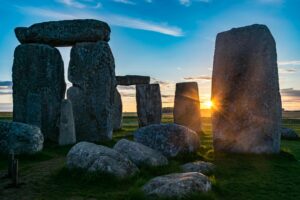
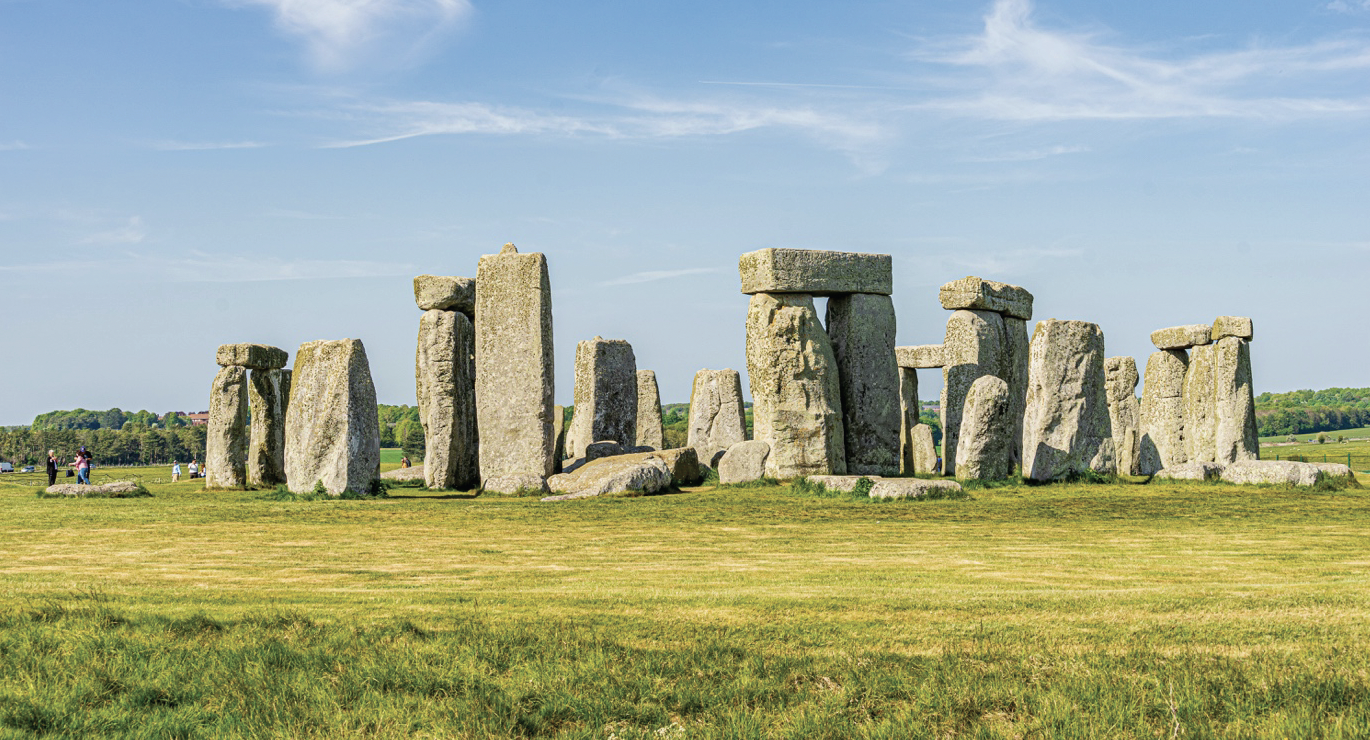
The concept of pilgrimage as such is not really developed in Paganism, though Pagans may well visit places associated with Pagan practice such as Stonehenge, Avebury, or Glastonbury, especially at festival times. […]
Identity, Diversity and Belonging
-
Paganism as a religious, cultural and spiritual identity
Identifying as Pagan is an important step for many Pagans. It is not long since this would be a brave thing to do, and some Pagans may still be concerned about the […]
-
Individuals and communities
Paganism celebrates individuality, and personal experience is the main authority. It is possible to be a Pagan by oneself, celebrating rituals in private, and not necessarily letting anyone know. However, most people […]
-
Family
As Paganism in the form described here is a relatively new religion, most adult Pagans were not born into Pagan families, but ‘found’ Paganism at some stage in their lives. However, as […]
-
Diversity
As stated earlier, ‘Paganism’ is an umbrella term covering many different groups as well as non-aligned individuals. Major traditions include Wicca, Druidry, Heathens, Shamans and Goddess devotees. Wicca refers primarily to the initiatory […]
-
Other religions and beliefs
Pagan relations with other religions and beliefs are complicated in that there is a general positive attitude to plurality and diversity but some tensions with both Abrahamic faiths and Scientific Humanism in […]
Meaning, Purpose and Truth
-
Religious experience
Pagans prioritise the experiential dimension of religion, and individual experience as a source of authority. Belief in the sacredness of nature often springs from numinous or mystical experiences which have happened to […]
-
Answers to ultimate questions
‘Ultimate questions’ tend to be asked from within a Christian versus ‘Western’ atheist framework – is there a God, is there an afterlife, where did the universe come from, why is there […]
-
Religion and Science
Pagan views of science are quite complicated, in that scientists (or rather ‘sciencists’, those who see scientific empirical evidence as the only truth) are criticised by many Pagans for having a limited […]
Values and Commitments
-
Ethical guidelines
Pagan ethics tend to the libertarian. There are no commandments revealed by a deity or list of precepts recommended by an enlightened teacher. Decisions are very much up to the individual and […]
-
The environment
As Paganism is largely rooted in the idea of the sacredness of nature, environmental issues are a crucial part of much Pagan ethics. Pagans may be involved in forms of direct action […]
-
Rights and responsibilities
Pagans generally support human rights as understood in such documents as the United Nations Declaration, but limited by our responsibilities towards other people, other-than-human beings, and the planet as the whole. Commitment […]
-
Moral issues: some examples
As well as environmental concerns and human and animal rights, issues important to Pagans include war and peace, gender equality and sexuality. Many Pagans campaign against war and nuclear weapons, and were […]
Websites & Bibliography
-
Websites
The Pagan Federation www.paganfed.org The British Druid Order http://www.druidry.co.uk/ The Druid Network https://druidnetwork.org/ The Order of Bards, Ovates and Druids http://www.druidry.org/ PaganAid https://www.paganaid.org/ Children of Artemis http://witchcraft.org/ Pagan and Heathen symposium http://pagansymposium.org/ […]
-
Bibliography
Billington, P., 2011. The path of Druidry : walking the ancient green way. Woodbury, MN: Llewellyn. Carr-Gomm, P., 1993. The Druid Way Shaftesbury: Element. — (ed.), 1996. The Druid Renaissance. London: HarperCollins. […]
The Pagans described in this section refer to contemporary, living religious practices in Western culture. These are however inspired by ancient forms of European faith such as those found in ancient Rome, Greece, Egypt and Celtic or Germanic countries, or other ‘indigenous’ or ‘primary’ traditions. Contemporary Paganism (sometimes called ‘Neo-Paganism’, especially in the USA) is a general label for a variety of traditions and individual personal religion, united by the concept of the sacredness of nature. Pagans may be pantheist, polytheist, duotheist, or animist but are rarely monotheist in the sense found in the Abrahamic religions.
The resources contained in the list of subjects below are a basic introduction to the traditions of contemporary Paganism. They are a window into the world of Paganism and by following the websites and bibliographies, an enquirer may discover more about this family of religions.
The information can be found under the six headings below which are based on the Areas of Enquiry found in the non-statutory frameworks for Religious Education (2004, 2013). It provides not only a guide to the factual and belief structures of Paganism but also addresses the issues that Paganism encounters as it engages today’s world.
Download the entire essay here
Pagan
Click here to visit our online glossary with clear definitions explaining key concepts and terms for a range of religion and worldview traditions or download the pdf version below: